Oct 26, 2026
What Tools Are Used for Cutting Threads in Metal?
Taps cut internal threads, dies cut external threads, while thread mills, single-point tools, CNC machines, and thread-rolling machines serve specialized or production applications. For manual repair, a tap and die set is usually sufficient; precision or high-volume manufacturing may require CNC thread milling, lathe threading tools, or thread rolling. The correct choice depends on the metal,
Learn More
Oct 09, 2026
Why Are Metal Drill Holes Oversized or Rough?
Oversized or rough metal holes usually result from the drill cutting away from one stable centerline because of runout, unequal cutting lips, wandering, side loading, loose workholding, incorrect speed or feed, poor breakthrough control, or a damaged bit. I diagnose the defect first, clean and measure the hole, then isolate the bit, chuck, spindle, workpiece, and technique one variable at a time.
Learn More
Oct 09, 2026
How to Use a Tap and Die Set for Metal
A tap cuts internal threads inside a drilled hole, while a die cuts external threads onto a rod, bolt, or pipe. To use a tap and die set for metal correctly, I first identify the thread standard and pitch, select the matching tap, die, and drill size, secure the workpiece, chamfer the edge, apply cutting oil, keep the tool square, cut gradually, reverse to break chips, and inspect the finished
Learn More
Oct 08, 2026
How to Drill Stainless Steel Without Breaking the Drill Bit
To How to Drill Stainless Steel Without Breaking the Drill Bit, I use a sharp cobalt HSS or carbide bit, low RPM, firm feed pressure, cutting oil, and secure workholding. The main cause of failure is rubbing instead of cutting, which creates heat and work hardens the surface. Once stainless steel hardens around the hole, the bit may overheat, dull, grab, or break.
Learn More
Oct 08, 2026
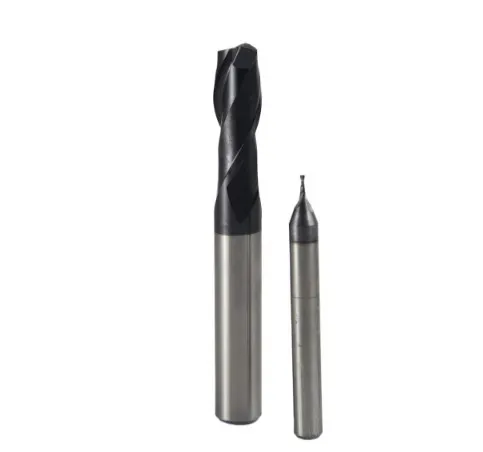
What Drill Bit Is Best for Stainless Steel?
Cobalt HSS with a 135-degree split point is the best general-purpose choice for most stainless-steel drilling, while coated solid carbide is better for rigid CNC or production setups. Use slow controlled speed, firm feed pressure, cutting fluid, and no dwelling to prevent work hardening.
Learn More
Oct 07, 2026
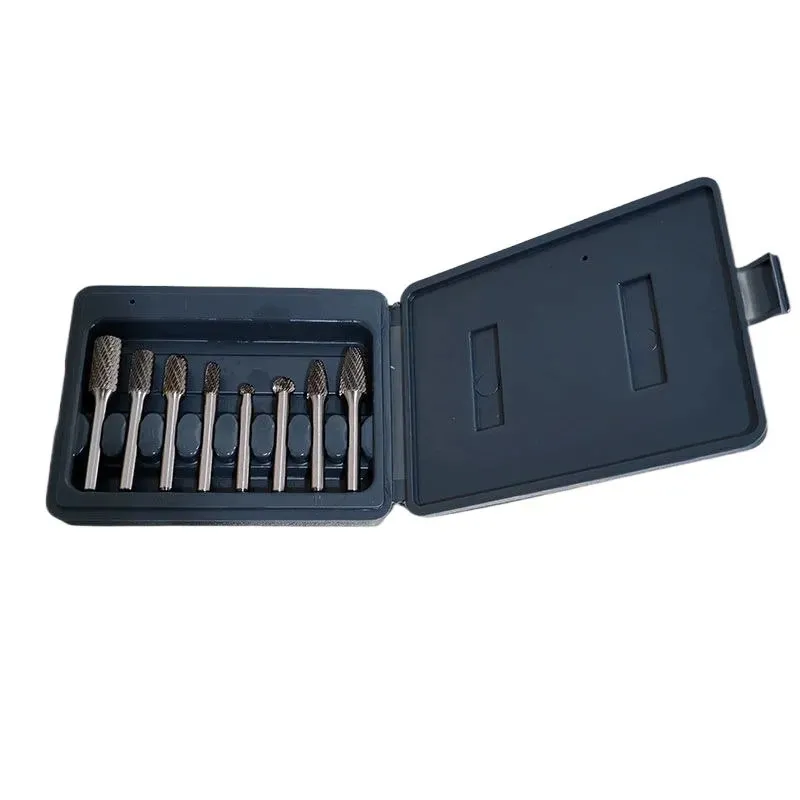
How to Increase Metal Cutting Tool Life
To How to Increase Metal Cutting Tool Life, I focus on six controls: cutting data, tool selection, heat management, machine rigidity, chip evacuation, and wear monitoring. When these controls match the workpiece and operation, manufacturers can reduce premature failures, stabilize part quality, lower tooling consumption, and make tool replacement more predictable.
Learn More
Oct 07, 2026
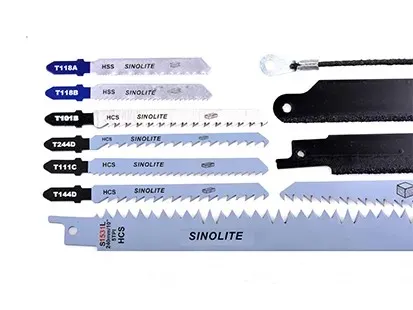
How to Choose the Correct Tap Drill Size
To How to Choose the Correct Tap Drill Size, I first identify the thread standard, major diameter, pitch or threads per inch, tap type, workpiece material, hole depth, and required thread engagement. For metric threads, the common starting formula is tap drill diameter ≈ major diameter − pitch. For inch threads, use tap drill diameter ≈ major diameter − 1 ÷ threads per inch. For example,
Learn More
Oct 06, 2026
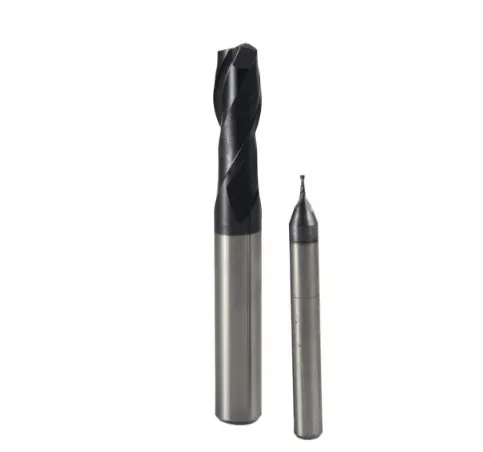
How to Choose Drill Bits for Aluminum
How to Choose Drill Bits for Aluminum depends on the alloy, hole diameter, material thickness, drill geometry, coating, lubrication, and machine setup. Sharp HSS bits are usually best for occasional work, cobalt suits frequent or mixed-metal drilling, carbide fits rigid CNC production, and step bits suit thin sheet. High-helix flutes, suitable point angles, controlled speed, firm workholding, and
Learn More


