Oct 06, 2026
Cutting Speed vs Feed Rate: What Is the Difference?
Cutting speed is the surface velocity of a cutting edge as it moves through the workpiece, while feed rate is the linear speed at which the tool advances through the material. The main practical difference is that cutting speed primarily controls heat and tool wear, whereas feed rate primarily controls chip load, machining time, and surface finish.
Learn More
Oct 05, 2026
What Drill Speed Should You Use for Different Metals?
The answer depends on metal type, drill bit material, drill diameter, and machine stability. Aluminum generally accepts higher RPM, while steel, stainless steel, and cast iron require slower speeds to control heat and cutting pressure. In this guide, I explain how to calculate drill speed, select a practical starting RPM, adjust feed pressure, and avoid common problems such as chip packing, work
Learn More
Oct 05, 2026
How to Cut Threads in Metal: Tools and Techniques
To cut threads in metal, I use a tap for internal threads and a die for external threads. A lathe, CNC tapping unit, thread mill, or thread-forming tool may be better for repeated work or tighter tolerances. The correct method depends on the metal, thread size, workpiece geometry, production volume, and available equipment.
Learn More
Oct 02, 2026
Why Do Drill Bits Break in Metal? Common Causes and Solutions
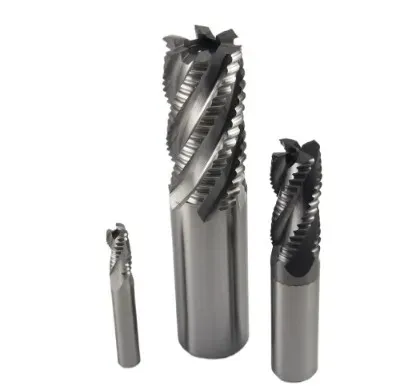
If you are asking, “Why Do Drill Bits Break in Metal? Common Causes and Solutions,” the usual reasons are excessive heat, incorrect speed or feed, sideways loading, poor chip evacuation, weak workholding, or the wrong bit for the workpiece. I have found that most failures can be traced to a mismatch between the drill, the metal, and the drilling method. The breakage location and visible
Learn More
Oct 02, 2026
How to Choose a Drill Bit for Hardened Steel
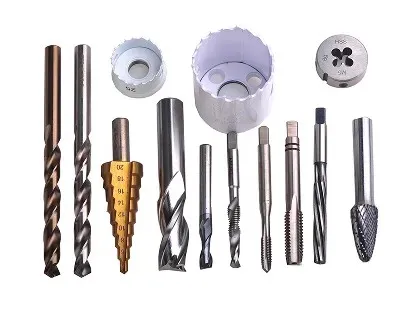
Choosing a drill bit for hardened steel starts with identifying the steel’s hardness, thickness, hole diameter, and drilling equipment. For moderately hardened steel, I usually recommend a 135-degree split-point M35 or M42 cobalt bit; for higher hardness and rigid machine setups, solid carbide is often more suitable. The correct decision also depends on spindle speed, feed pressure, cutting
Learn More
Oct 01, 2026
How to Drill Aluminum Cleanly and Accurately
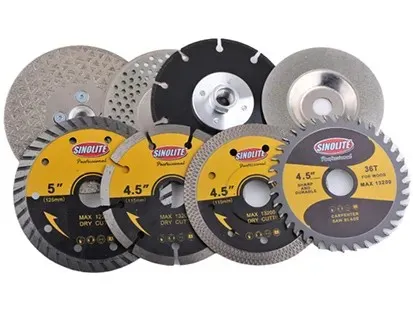
Clean aluminum holes require a sharp HSS or cobalt drill bit, secure clamping, a center-punched mark, suitable speed, light cutting fluid, steady feed pressure, and periodic chip clearing. I use this sequence: identify the alloy and thickness, select the bit, support the workpiece, mark and pilot-drill the location, drill with controlled speed and feed, clear chips, deburr both faces, and verify
Learn More
Oct 01, 2026
What Are Taps and Dies? A Beginner's Guide to Threading
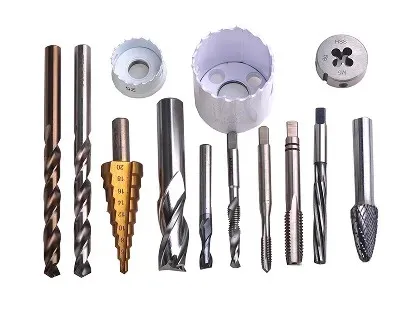
What are taps and dies? Taps cut internal threads inside drilled holes, while dies cut external threads around rods, bolts, or shafts. Together, they create, restore, and clean threaded connections. I use tap-and-die tools for new thread production, thread repair, maintenance work, and fitting mismatched or damaged fasteners.
Learn More

Sep 22, 2026
HSS Drill Bits vs Carbide Drill Bits for Metalworking
HSS Drill Bits vs Carbide Drill Bits for Metalworking comes down to a balance between material hardness, cutting speed, machine rigidity, hole tolerance, tool life, and cost per hole. HSS is tougher and more economical for general-purpose work, while carbide supports higher speeds, better wear resistance, and more consistent production drilling when the machine and setup are rigid enough.
Learn More
Sep 21, 2026
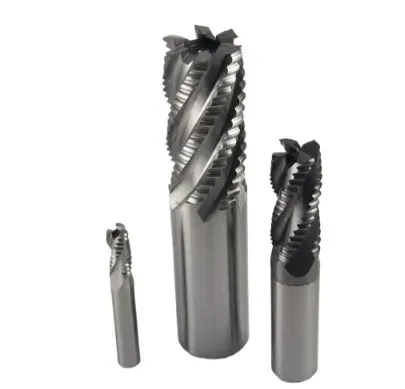
2-Flute vs 4-Flute End Mills: Which Should You Choose?
Neither flute count is universally better. I choose 2-flute end mills when chip evacuation, slotting, or soft materials control the result, and 4-flute end mills when tool rigidity, side milling, harder materials, or surface finish matter more. The correct choice also depends on radial engagement, cutting depth, machine rigidity, workholding, spindle speed, and the required finish.
Learn More