Sep 21, 2026
Why Do Drill Bits Overheat When Cutting Metal?
Drill bits overheat when they rub instead of cutting, usually because of excessive RPM, insufficient feed pressure, a dull or incorrect bit, trapped chips, inadequate lubrication, or poor workpiece support. The immediate fix is to reduce speed, maintain steady feed pressure, clear chips, select the correct bit, and apply suitable cutting fluid. If the bit turns blue, loses its edge, or produces
Learn More

Sep 20, 2026
Tap vs Die: What Is the Difference?
Tap vs Die: What Is the Difference? A tap cuts internal threads inside a drilled hole, while a die cuts external threads around a bolt, rod, or shaft. I use a tap when I need to create or restore threads for a nut or threaded hole, and I use a die when I need to form or clean threads on an outside diameter. Together, they cover the two basic thread
Learn More
Sep 20, 2026
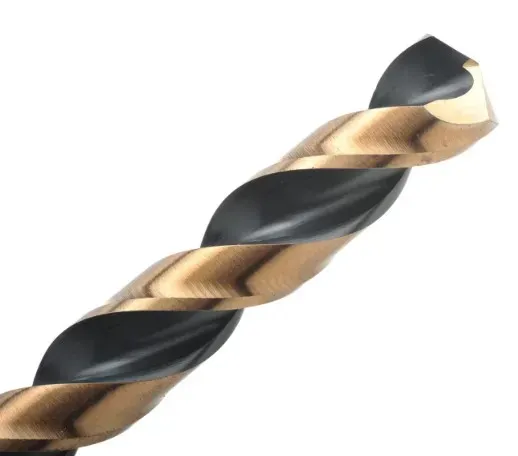
Best Cutting Tool Types for Aluminum Machining
For most aluminum machining, I recommend a sharp 1-, 2-, or 3-flute carbide end mill with polished flutes, a high rake angle, and an open chip gullet. The correct choice still depends on the alloy, operation, machine rigidity, spindle speed, coolant method, and production volume. Drills, reamers, face mills, taps, saw blades, and roughers each serve different cutting requirements.
Learn More
Sep 20, 2026
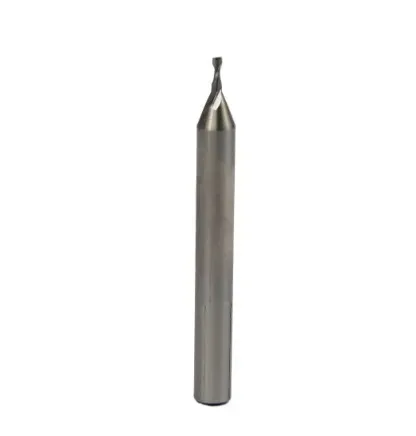
How to Choose Cutting Tools for Cast Iron
I choose cast iron cutting tools by first identifying the cast iron grade, hardness, thickness, and operation. I then match the work to carbide, ceramic, PCBN, abrasive, diamond, or reciprocating tools, set conservative cutting parameters, secure the part, control dust and vibration, and adjust the tool when wear, chatter, binding, or poor finish appears.
Learn More

Jun 04, 2026
What is a Step Drill Bit?
A step drill bit is a type of drill bit designed to create multiple hole diameters using a single tool. It features a cone-shaped structure, where the hole size increases gradually as the bit penetrates deeper into the material.
Learn More

Jun 04, 2026
What's End Milling? Cutter Types, Uses, & Benefits
End mills are available in a wide range of flute and end configurations, each designed for specific machining applications and hole or slot profiles. By following different cutting paths, end mills can perform profiling, slotting, drilling, and boring operations with high precision and efficiency.
Learn More

May 28, 2026
What Is a Tapered Drill Bit?
A tapered drill bit is a cutting tool designed with a gradually decreasing or increasing diameter from one end to the other. Instead of maintaining a uniform thickness like standard twist drill bits, its body forms a slight cone shape.
Learn More